The Short Answer
Acupuncture offers time-tested, integrative support to help calm the nervous system, improve sleep, and ease the physical symptoms associated with stress and anxiety. Grounded in a thousands-of-years-old system of medicine, modern clinical studies from around the world increasingly show promising evidence that acupuncture helps regulate the body’s physiological response to stress.
For many Los Angeles patients, acupuncture provides a deeply relaxing, individualized treatment that serves as a powerful pillar in a comprehensive wellness plan—working seamlessly alongside lifestyle adjustments, psychotherapy, or medical care.
Understanding the Body’s Stress Response
Anxiety is often experienced as racing thoughts or worry, but it manifests physically throughout the entire body. When stress triggers the sympathetic nervous system (our “fight-or-flight” response), you might experience:
- Tight shoulders, jaw tension, or tension headaches
- A racing heartbeat or feeling of internal restlessness
- Shallow breathing or tightness in the chest
- Difficulty falling asleep or staying asleep
- Digestive changes, nausea, or a constant “butterflies” sensation
- Feeling simultaneously exhausted and wired
Acupuncture works by helping shift the body out of this hyper-aroused state and into the parasympathetic nervous system—often called the “rest-and-digest” state. In this mode, heart rate slows, muscle tension softens, digestion stabilizes, and the body initiates its natural healing processes.
How East Asian Medicine Approaches Anxiety
East Asian medicine has successfully addressed stress and emotional balance for thousands of years by looking at the whole person rather than treating isolated symptoms in a vacuum. During your intake, an experienced practitioner looks for underlying patterns by exploring your sleep, digestion, energy levels, headaches, temperature preferences, and daily stressors.
Because no two people experience stress in the exact same way, care is never one-size-fits-all:
- One patient may present with nervous exhaustion, burnout, and insomnia, requiring restorative, nourishing care.
- Another patient may experience high tension, irritability, and stress headaches, requiring treatments aimed at unblocking energetic stagnation and easing physical constriction.
By creating an individualized treatment strategy, we focus on restoring systemic balance so you feel grounded, resilient, and centered.
What Does the Research Say About Acupuncture for Anxiety?
While East Asian medicine has relied on millennia of clinical observation, modern neuroscience and global clinical research are increasingly validating its mechanisms.
- Parasympathetic & Neurochemical Regulation: Modern studies demonstrate that stimulating specific acupuncture points releases endorphins, calms the amygdala (the brain’s threat center), and shifts autonomic balance toward the parasympathetic nervous system.
- Promising Global Evidence: Research institutions across the globe have published positive trials and systematic reviews highlighting acupuncture’s ability to significantly reduce anxiety scores, improve sleep architecture, and lower stress biomarkers like cortisol.
- Integrative Synergy: World Health Organization (WHO) reports and international clinical trials highlight acupuncture as an exceptionally safe, non-pharmacological option that works effectively as both a primary supportive care model and an adjunct to conventional treatments.
What to Expect During Your Treatment
Your visit begins with a thorough conversation about your unique health history, current stress factors, and goals. Your practitioner will then craft a custom point protocol tailored to your body’s specific needs. Points may be placed on the arms, legs, lower legs, ears, or head—not just where you hold physical tension.
What the Needles Feel Like:
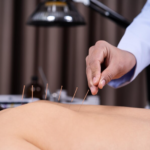
Acupuncture needles are hair-thin and sterile. You may feel a brief pinch upon insertion, followed by a soft sensation of heaviness, warmth, tingling, or a gentle dull ache—all positive signs that the point is active. Most patients find the process remarkably gentle and drift into a deep state of relaxation or sleep during the session.
At City Acupuncture Silver Lake:
An introductory appointment includes a detailed consultation, customized acupuncture, cupping therapy as appropriate, and a dedicated discussion of your long-term care plan. We reserve 60 to 75 minutes for this comprehensive first visit.
Crafting Your Care Plan
Healing is a process, and care is structured around your body’s response:
- Initial Phase: A series of regular weekly treatments is typically recommended to build momentum, tone the parasympathetic nervous system, and establish lasting relief.
- Reassessment: We track concrete metrics—such as improved sleep quality, reduced physical tension, and overall mood stability—to evaluate your progress.
- Maintenance: Once balance is restored, many patients transition to periodic tune-ups (monthly or seasonally) to maintain stress resilience.
A practical, transparent care strategy always includes clear tracking goals, explicit timelines for progress reviews, and collaborative communication with your broader healthcare team.
Daily Practices to Support Your Nervous System
Acupuncture yields the best results when paired with supportive day-to-day habits. To maintain parasympathetic engagement between visits, consider:
- Consistent Sleep Cycles: Going to bed and waking up at similar times to support circadian rhythms.
- Balanced Nutrition & Hydration: Regular meals to prevent blood-sugar spikes that trigger adrenaline.
- Mindful Movement: Daily walking, gentle stretching, or yoga to flush out residual tension.
- Nervous System Breaks: Grounding exercises, slow diaphragmatic breathing, or brief meditation sessions.
- Caffeine Management: Moderating stimulants that excite the sympathetic nervous system.
Comprehensive, Integrative Support
True integrative medicine expands your options. Acupuncture works wonderfully alongside psychotherapy, mindfulness practices, and conventional medical treatments. If you are taking prescribed medications for anxiety, acupuncture offers complementary physical and emotional grounding—always consult your prescribing clinician before making any changes to medication regimens.
(Note: For acute, severe, or sudden mental health concerns, panic disorders, or severe physical symptoms like chest pain, always seek immediate evaluation from a primary care or emergency health professional.)
Acupuncture for Stress and Anxiety in Silver Lake
City Acupuncture Silver Lake proudly supports patients throughout Silver Lake and neighboring communities, including Los Feliz, Echo Park, Atwater Village, Frogtown, and East Hollywood. Our practice offers a full spectrum of holistic care, including custom acupuncture, cupping, massage, low-level light therapy, and herbal and nutritional guidance.
Whether you are seeking relief from daily stress, support for sleep, or a grounding sanctuary in your week, we are here to guide you toward balance.
Frequently Asked Questions
How does acupuncture help with anxiety?
Acupuncture stimulates the nervous system to release natural mood-regulating chemicals (like endorphins and serotonin) while down-regulating stress hormones. This shifts your body from a “fight-or-flight” state into a deeply relaxing parasympathetic state.
Can I receive acupuncture while in therapy or taking medication?
Yes. Acupuncture is an excellent complementary care modality that integrates seamlessly with psychotherapy and prescribed treatments. It helps manage the physical manifestations of stress while you work through emotional patterns with your therapist.
How quickly will I feel results?
Many patients experience immediate relaxation and a sense of ease during or right after their first session. Cumulative, long-lasting shifts in baseline stress and sleep quality typically develop over a series of treatments as the nervous system learns to regulate more efficiently.
Does acupuncture hurt?
Most patients experience little to no discomfort. You may feel a quick initial sensation followed by a warm, heavy, or tingling feeling. The vast majority of people find treatments so soothing that they fall asleep on the table.
Is acupuncture safe?
When performed by a licensed, board-certified practitioner using single-use, sterile, disposable needles, acupuncture is extremely safe with virtually no side effects beyond occasional mild relaxation or temporary soreness.